Top Benefits of Automated Tiered Link Packs
Google now utilizes mobile variations of pages for indexing and ranking. Ensure your mobile experience is perfect: Fast loading times (under 3 seconds) Easy navigation and kind completion Legible text without zooming Touch-friendly buttons and links Driving traffic is just half the fight. The best companies enhance every step of the visitor journey to take full advantage of list building from their SEO efforts.
Connect from high-traffic blog posts to: Service pages Case studies Totally free assessment pages Lead magnets Implement exit-intent popups on your highest-traffic pages. Rather of asking for all contact information upfront, use progressive profiling to slowly collect more information about leads over several interactions.
Usage tools like HubSpot or Pardot to track visitor habits and instantly adjust form fields based on previous interactions. Track metrics that directly correlate with earnings: Qualified leads from organic search Cost per lead from SEO Consumer life time worth of SEO leads Time from first check out to conversion Implement correct attribution tracking to comprehend the full consumer journey.
Are Automated Link Building Optimal for 2026?
Use Google Analytics 4's enhanced attribution models or tools like HubSpot to track the total lead journey from first search to closed offer. As soon as you recognize your highest-converting material and keywords, double down. Develop more content around those subjects, construct additional tools and resources, and broaden into related keyword clusters.
Discover your 20% and scale it strongly. SEO lead generation in 2026 isn't about gaming algorithms or following out-of-date tactics. It's about showing real proficiency, resolving instant problems, and creating content experiences that transform visitors into certified leads. The firms executing these structures are seeing 300-500% increases in qualified leads from natural search within 6-12 months.
The opportunity window is still open, but it's closing quickly as more agencies capture on to these techniques. The time to act is now.
In this episode of Brand names on Tap, Rob and Jaz unload the of SEO that still matter in 2026 before diving into AI, GEO and what to do in a different way this year. They frame SEO not as "just SEOing a website", but as a strategic procedure that connects keyword research study, material, technical build and off-site signals directly to business objectives.
what is a GSA SER projectDeveloping the Next-Gen SEO Strategy in 2026
The episode worries that efficient SEO is intricate and joined-up, requiring alignment in between strategy, UX, material and measurement from day one. The conversation begins with standard SEO: keyword-focused, search-led material that stabilizes brand name voice with the phrases individuals in fact use, instead of relying on pure copywriting alone. Rob and Jaz discuss how researched keywords, clear intent (informative vs transactional), strong site structure, headings, internal linking, image optimisation and schema work together so online search engine understand precisely what each page is for.
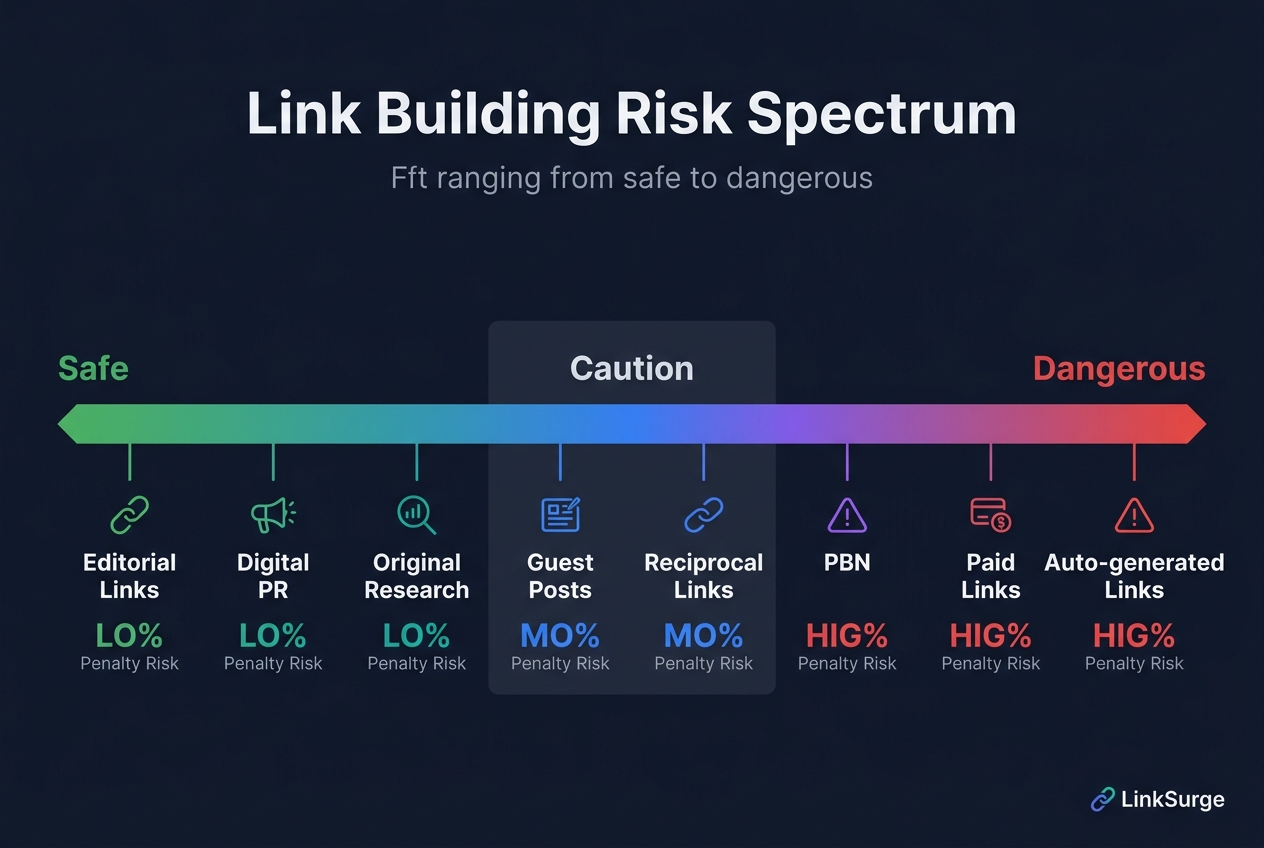
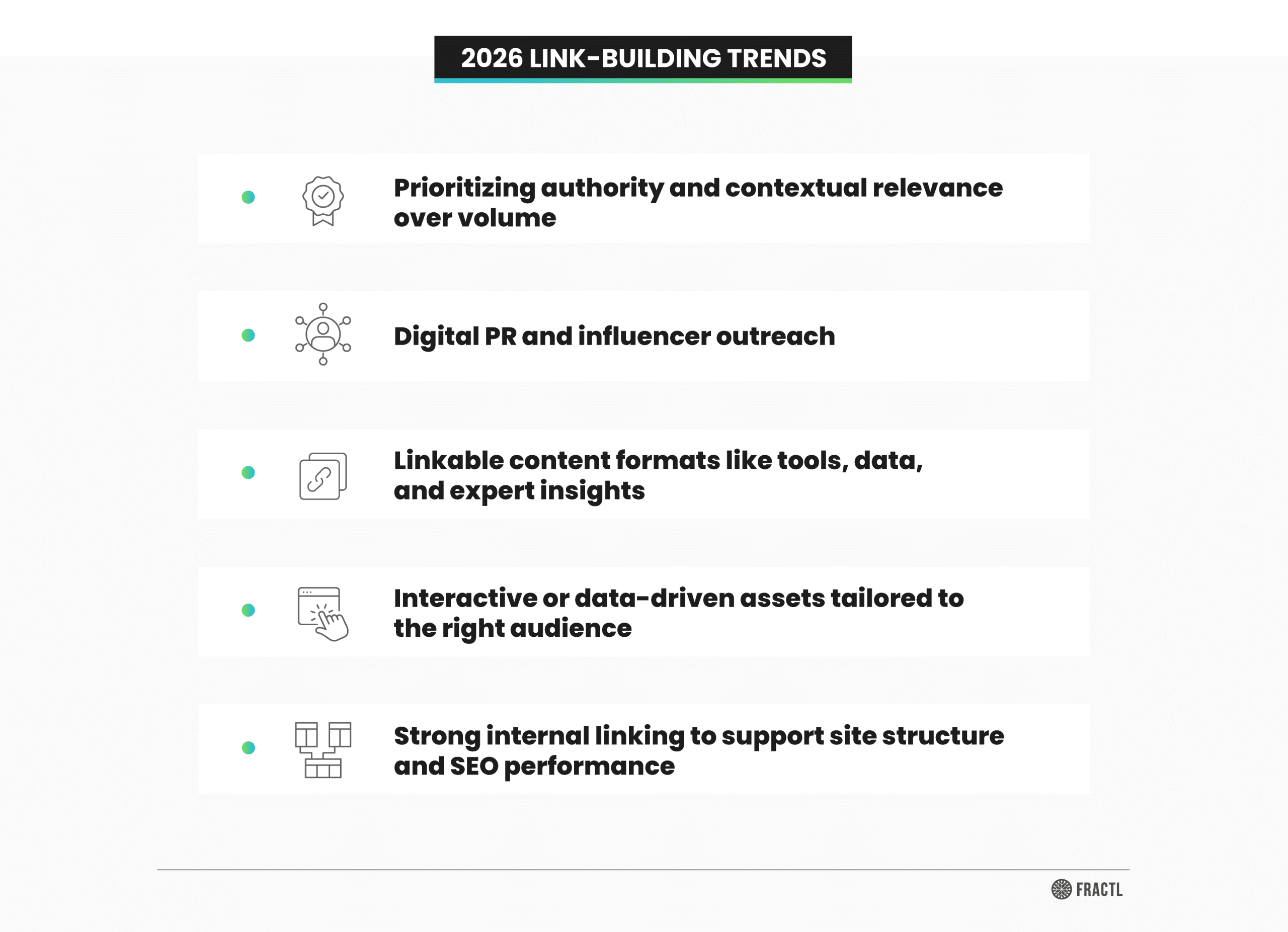
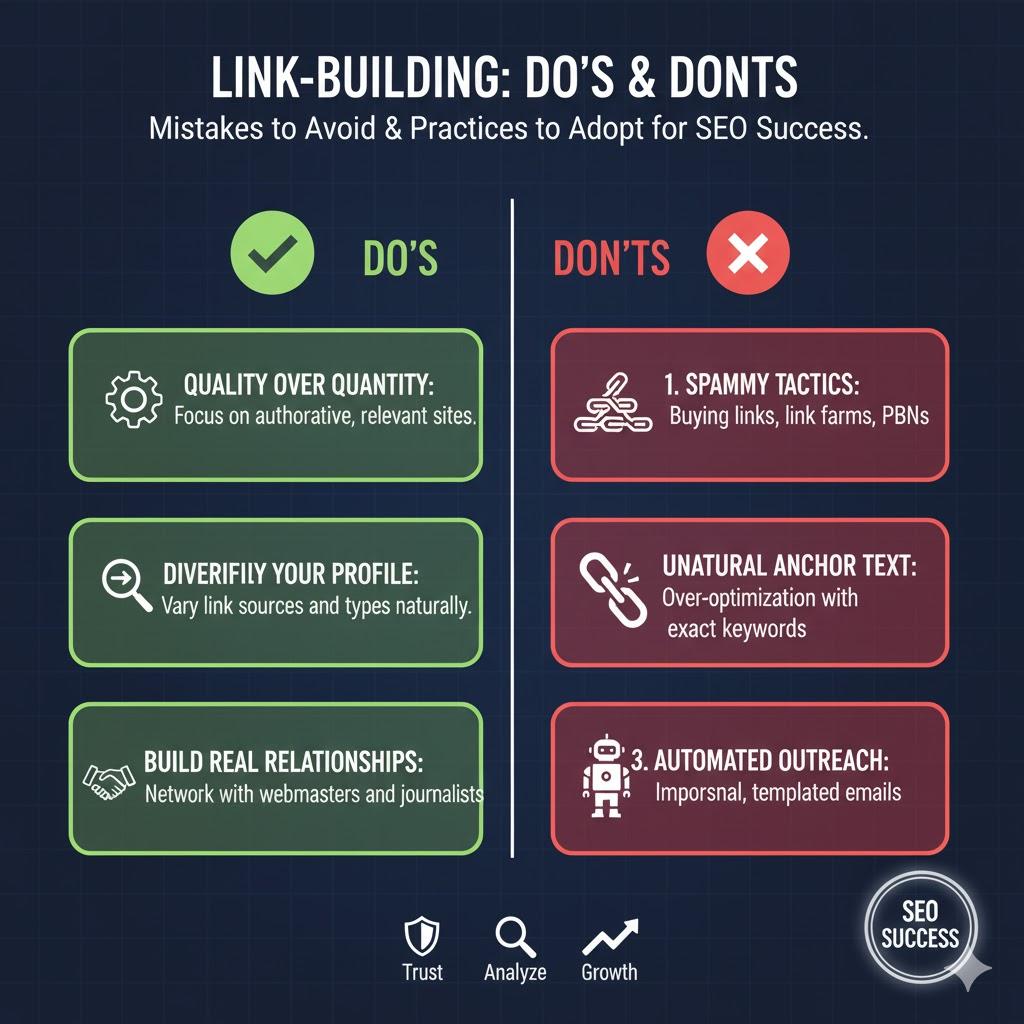
what is a GSA SER projectSchema is placed as an amplifier, not a silver bullet; it only provides value when the underlying content, structure and user experience are already strong. The conversation moves to offpage SEO and backlinks, where quality beats amount every time. They contrast lowquality link farms with highauthority "premium" links from reputable publishers, emphasising that even nofollow links can drive powerful brand awareness, recommendation traffic and viewed authority when put in the best context.
For regional brands, they argue that ranking for local intent questions is much more important than chasing broad, national keywords that attract the wrong traffic and seldom transform. Rob and Jaz then explore how AI is altering search behaviour, with users now browsing in more conversational, question-led ways across social platforms and LLMs like ChatGPT, Perplexity and Copilot, along with Google.
This naturally leads into Generative Engine Optimisation (GEO): optimising so your brand name is pointed out or suggested inside AI answers and Google's AI Overviews. Practical GEO pointers consist of doubling down on longtail, questiondriven, informative content, using clear structure and schema, and building trustworthy offsite signals that appear consistently any place AI systems search for supporting proof.
The hosts refute lazy, fully generated copy, placing AI as a support tool for research, details, drafts and schema scaffolding rather than a replacement for subjectmatter knowledge and brand name perspective, and advise an "80/20" split for 2026: around 80% humandriven technique and refinement, backed by 20% AI help. Measurement in an AIdriven landscape is another crucial theme, with a push to look beyond vanity metrics like raw traffic and total backlinks.